Chiao-Wei-Lin
Kyoto Tang Clinic
Taiwan
Abstract Title: Postpartum Metabolic Health in East Asian Women: Cultural Psychology, Nutritional Traditions and the Traditional Chinese Medicine Framework for Restoration
Biography:
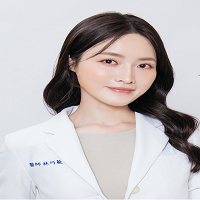
Dr. Chiao-Wei Lin (???) is a Traditional Chinese Medicine physician at Kyoto Tang Clinic, Taiwan, with clinical expertise in women's health, postpartum care, metabolic regulation and cosmetic acupuncture. With 7 years of clinical experience (including 2 years hospital internship and 5 years in daily practice), she focuses on conditions poorly addressed by conventional medicine including postpartum metabolic dysfunction, stress-related disorders and menstrual irregularities. Dr. Lin is developing innovative approaches to translate TCM concepts into international clinical language, bridging traditional wisdom with modern women's health. She is pursuing NCCAOM certification while building a global knowledge platform addressing "invisible health crises" in high-functioning professional women.
Research Interest:
Postpartum metabolic disorders affect 25-47% of women globally, yet East Asian women face distinct challenges shaped by cultural traditions, psychosocial expectations and constitutional vulnerabilities. While Western approaches emphasize caloric management, they often fail to address the complex interplay of cultural psychology, family dynamics and traditional practices that profoundly influence metabolic recovery in East Asian contexts. The Cultural-Psychological Burden: Clinical experience reveals a distinctive pattern of psychological stress in East Asian postpartum women chronic self-criticism, role conflict between traditional maternal ideals and modern professional expectations, emotional suppression rooted in collectivist values and family-mediated decision-making around postpartum care. This "internal friction" (??) manifests physiologically through chronic cortisol elevation, stress-mediated adiposity, sleep disturbance and metabolic inflexibility. Women report feeling trapped between elder-led traditional practices and modern medical advice, experiencing profound guilt regardless of choices made. The Nutritional Paradox: Traditional confinement practices (???) embody restorative wisdom emphasizing warming foods, staged nutrition and adequate rest yet create modern contradictions. The cultural emphasis on carbohydrate-dense diets and limited activity, while historically adaptive, may prolong metabolic slowdown when combined with contemporary urban lifestyles. Women struggle with conflicting dietary advice from family versus healthcare providers, inability to exercise during confinement despite understanding its benefits and subsequent rapid weight rebound when returning to work. The TCM Framework: Traditional Chinese Medicine offers an integrative framework through constitutional assessment. Clinical observations identify distinctive presentations: Qi Deficiency (profound fatigue, reduced metabolic rate), Liver Qi Stagnation (stress-eating, emotional dysregulation), Spleen Dampness (edema, sugar cravings), often presenting as mixed patterns requiring individualized treatment including herbal therapy, acupuncture and culturally-informed counseling. This presentation advocates for bridging TCM constitutional wisdom with modern metabolic science, addressing cultural-psychological burdens and recognising healthcare system gaps in postpartum metabolic support offering a comprehensive framework for East Asian women's long-term metabolic health.