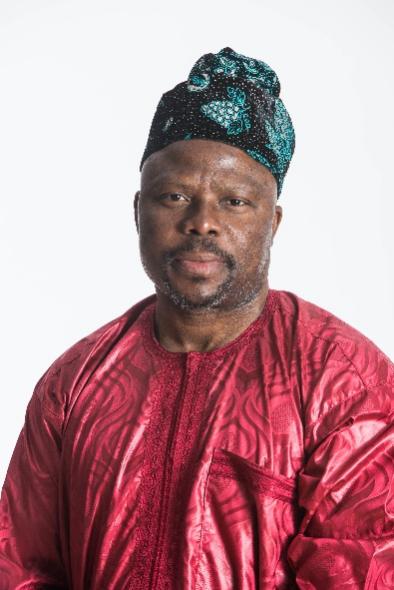
Dr. Alpha Grace
African Naturopathic Medicine
Switzerland
Abstract Title: African Naturopathic Medicine: Ancestral Wealth for Sustainable Global Health
Biography: Globally recognized pioneer in African Naturopathic Medicine, Naida Mouzda brings over 27 years of clinical, research and teaching experience. She founded the African Naturopathic College and launched West Africa’s first Center for Research in Natural Medicine. A prolific writer and educator, she bridges ancestral healing wisdom with evidence based integrative healthcare. Her research advances phytotherapy, community health and preventive care. An esteemed sociocriminologist and international speaker, she explores intersections of health, society and crime at high level symposia worldwide. Committed to ethical integration of traditional knowledge, she mentors practitioners and leads collaborative programs that reshape sustainable, culturally resonant health systems and policy.
Research Interest: African naturopathic medicine represents a living corpus of empirical knowledge—phytotherapy, nutrition, seasonal regimens and community healing—that has sustained population health for generations. This plenary synthesizes how these ancestral practices align with contemporary science and proposes concrete pathways for their ethical integration into global health systems. Drawing on ethnobotanical evidence, community pilot projects, and translational perspectives, I highlight three core contributions: (1) a rich pharmacopoeia of underexplored medicinal plants offering affordable therapeutic candidates and locally adapted treatment modalities; (2) prevention-centered, person- and community-focused practices that enhance resilience, reduce clinical burden and improve maternal-child and infectious-disease outcomes; (3) culturally contextualized, personalized care models that anticipate modern precision and community health approaches. The presentation addresses critical challenges—including quality control, safety, standardization, and equitable intellectual property frameworks—and proposes pragmatic solutions: collaborative north–south research programs led by local teams, hybrid training curricula for practitioners, regulatory pathways for safe phytotherapeutics, and rigorously evaluated community pilots scalable across regions. Case examples of medicinal gardens, nutrition and phytotherapy interventions illustrate measurable benefits and operational lessons. Concluding with a call to action, I argue that ethically integrating African naturopathic knowledge into research, education and policy is a strategic imperative for building more sustainable, equitable and culturally resonant global health systems. This integration can expand therapeutic options, strengthen prevention, and honor the custodians of traditional knowledge while delivering measurable public health impact