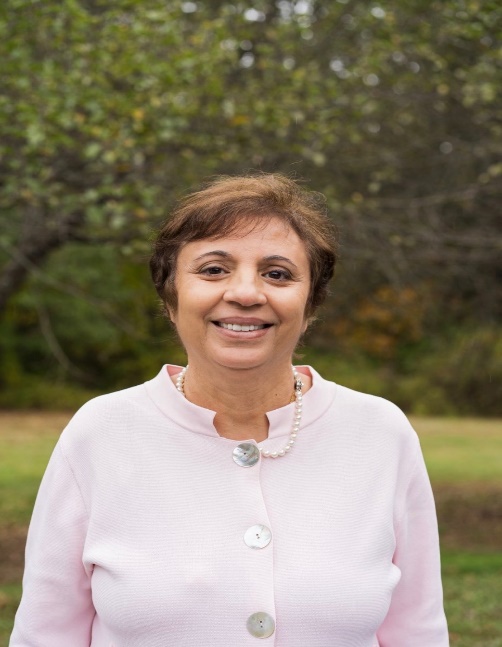
Farah Ganjei Gron
New Life Homeopathy, Inc
USA
Abstract Title: The Misunderstood children and adults with autism and how to help them with a multi-modality holistic approach
Biography:
Farah Ganjei Gron has a bachelor’s degree in Computer Science. She found her calling in 1996 when she attended an introductory talk on homeopathy by the world-renowned homeopath, Dr. Luc De Schepper, M.D. From that point on, she studied with him for 14 years and wrote her post-fellowship thesis in 2011 on her particular method of using homeopathy to help the children with a diagnosis of autism. In 2009, Dr. De Schepper asked her to became his successor when he retired. In the past 20 years, she has been helping the general population and children on the autism spectrum and others with special needs.
Research Interest:
This presentation will include not only a body of research on methods of healing, but also offers a process of self-care and inner development for the special children. It offers a multi-modality approach for these children and adults to heal and to creatively express themselves. These special children and adults are here as teachers. Classical Homeopathy is a holistic method that works on the many and varied root causes of autism and goes far beyond attempts to detox or eliminate particular symptoms. It recognizes each person as a unique individual. The remedies are chosen so they match the child on the physical as well as the emotional level. My method will be described in broad strokes for practitioners that use homeopathy as an adjunct. The presentation will include information on how to provide the best educational settings for their high level of intelligence, how the family can create an environment to support creativity, information on nourishment, grounding, EMF, and more. I will share the results of a retrospective study of 25 children with a formal diagnosis of autism in my practice. Each of them on average has improved 48.5% based on the Autism Evaluation Checklist provided by the Autism Research Institute. Other children with various challenges that are either undiagnosed or have other diagnoses such as PANS/PANDAS are evaluated separately in this study.