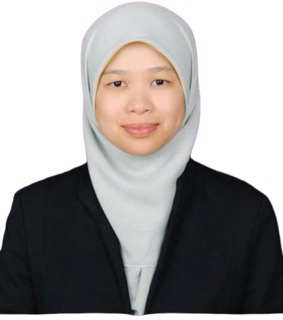
Fauziah Abu Bakar
Universiti Putra
Malaysia
Abstract Title: From Forest Wisdom to Modern Medicine: Traditional Medicinal Knowledge from Borneo
Biography:
Dr. Fauziah Abu Bakar is a biotechnologist and academic at Universiti Putra Malaysia Sarawak, with research interests spanning ethnobotany, traditional medicinal plants, and sustainability-driven biotechnology. Her work focuses on documenting indigenous medicinal knowledge from Sarawak’s ethnic minorities and exploring the scientific basis of traditional plant use through phytochemical and bioactivity studies. She is actively involved in community-engaged research, biodiversity conservation, and the integration of traditional knowledge with modern scientific approaches. Dr. Fauziah regularly contributes to academic publications, conferences, and outreach initiatives related to traditional and alternative medicine.
Research Interest:
Traditional medicine is not a complementary practice for many indigenous communities it is everyday healthcare. In Borneo, one of the most biologically diverse regions in the world, medicinal knowledge has developed through close relationships with the forest, shaped over generations by observation, practice, and lived experience. Today, this knowledge is increasingly at risk, pressured by environmental change, cultural transition, and biodiversity loss. This work draws on community-based ethnobotanical research carried out in Sarawak, Malaysian Borneo, focusing on medicinal plant practices among local ethnic minorities. It examines how communities identify healing plants, prepare remedies, and apply them in practical ways that are closely tied to their environment. Rather than treating traditional knowledge as informal or anecdotal, these practices are approached as structured systems that can be carefully documented and examined using modern scientific methods. Selected case studies highlight the phytochemical, antioxidant, and bioactive properties of commonly used medicinal plants. In many cases, laboratory findings support traditional therapeutic uses, showing that indigenous knowledge can provide meaningful direction for scientific investigation rather than something to be replaced by it. Beyond scientific findings, the discussion considers why safeguarding traditional medicinal knowledge matters. This includes its role in biodiversity conservation, ethical research engagement, benefit-sharing with communities, and the development of healthcare approaches that are both sustainable and culturally grounded. By placing forest-based knowledge alongside contemporary scientific perspectives, this presentation shows that traditional medicine is not a relic of the past, but a living system with continued relevance for modern and alternative medicine in a changing world.