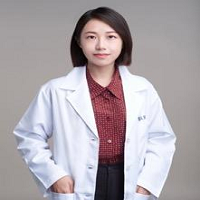
Syuan Chun Wang
Tainan Hospital
Taiwan
Abstract Title: Integrative TCM Management of Post-Exacerbation Weight Loss in an Elderly Patient with Ulcerative Colitis Intolerant to Mesalazine: A Case Report
Biography: I am a Traditional Chinese Medicine (TCM) physician at Tainan Hospital, Ministry of Health and Welfare, Taiwan, specializing in integrating traditional therapeutic frameworks with modern clinical medicine to address unmet needs in complex patient populations. My research trajectory, supported by the Ministry of Science and Technology and recognized by the International Society for Ethnopharmacology, focuses on the digitization and standardization of TCM diagnostics. By leveraging biomedical instrumentation to validate pulse-taking methodologies, I aim to establish robust, evidence-based standards that enhance the global clinical credibility and reproducibility of integrative medicine.
Research Interest: While mesalazine is the mainstay for ulcerative colitis (UC), gastrointestinal intolerance frequently leads to treatment discontinuation in elderly patients. This case reports Traditional Chinese Medicine (TCM) as a successful alternative for managing post-exacerbation malnutrition and residual inflammation in a mesalazine-intolerant patient. Case Presentation: An 83-year-old male with multiple comorbidities presented following a UC exacerbation. Although acute hematochezia had resolved, he suffered from chronic loose stools and a significant inability to regain weight, which had dropped from 56 kg to 49 kg. Laboratory investigations revealed elevated CRP (43.8 mg/L) and moderate renal impairment (eGFR: 38.7 mL/min/1.73m²). Management: Individualized TCM monotherapy using GMP-certified granules was administered: Banxia Xiexin Tang (3.5g), Baohe Wan (2.0g), and Shashen Maidong Tang (2.5g). This was supplemented with a targeted herbal complex (Flos Lonicerae, Herba Taraxaci, Herba Patriniae, Herba Artemisiae Scopariae, and Rhizoma Bletillae) to harmonize gastrointestinal motility, facilitate nutrient assimilation, and exert synergistic anti-inflammatory effects for mucosal repair. Outcomes: During five months of monotherapy, the patient’s body weight recovered to 53.5 kg, and bowel movements normalized. Objective biomarkers improved significantly: CRP normalized to 0.9 mg/L, fecal occult blood turned negative, and eGFR increased to 65 mL/min/1.73m², demonstrating effective inflammatory control and nutritional stabilization. Conclusion: Individualized TCM represents a potentially safe and effective alternative for elderly UC patients requiring weight restoration. However, as these observations are based on a single case, large-scale prospective studies and rigorous clinical trials are strictly warranted to validate these findings, evaluate long-term safety, and establish standardized integrative protocols for this vulnerable population.