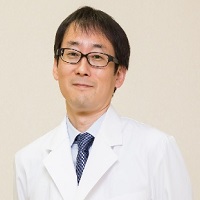
Tsuyoshi Kitanishi
Kitanishi ENT Clinic
Japan
Abstract Title: Ayurveda in Japan: Current Landscape and Future Directions for Integrative Medicine
Biography:
Graduated from Shiga University of Medical Science in 1992. Opened Kitanishi ENT Clinic in 2005. Received my Ph.D. in 2014. Serving as President of Ayurveda Society in Japan since 2018.
Research Interest:
Recent advances in modern medicine have greatly improved diagnostic and therapeutic capabilities, contributing to increased life expectancy. However, rapid environmental and lifestyle changes have led to rising rates of chronic diseases, stress-related disorders, and lifestyle-related illnesses. In this context “treating disease” is no longer sufficient to sustain health. What is now required is a re-examination of what health truly means, and how it can be cultivated continuously, regardless of the presence or absence of disease. Ayurveda, the traditional medical system of India, places the philosophy of “cultivating health” at its foundation. Derived from AYUS (life) and VEDA (science/knowledge), Ayurveda offers wisdom for living well, emphasizing prevention, daily lifestyle practices, and mind–body harmony. Its medical insights are not confined to hospitals; rather, they emerge within the rhythms of daily life diet, sleep, elimination, mental balance, and seasonal adaptation. This presentation will outline the current global and domestic landscape of Ayurveda within integrative and complementary medicine. I currently serve as the President of Ayurveda Society in Japan, and our general conference to be held in the autumn of 2026 will mark its 48th session. Considering that, outside of India and Sri Lanka the home countries of Ayurveda there are few academic societies that have continued for such a long period, this longevity clearly reflects the strong and sustained interest in Ayurveda in Japan. International developments include the establishment of the AYUSH Information Cell at the Embassy of India in Japan, the launch of an ISO subcommittee on Ayurveda and Yoga in 2025, and the inclusion of traditional medicine in the “India Japan Joint Vision for the Next Decade.” In Japan, activities range from community health initiatives and medical student symposia to nursing/elderly-care workshops, postgraduate programs, disaster-area support etc. From the shift toward salutogenesis the generation of health Ayurveda offers a meaningful contribution to modern medicine, guiding a transformation from “treating disease” to “healing people” and ultimately “cultivating health and wellbeing.”